Terras de Sicó · Beira Atlântico
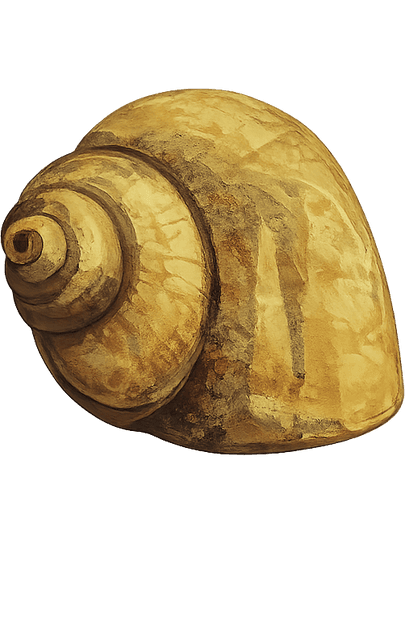
Where the sea left its shells.
Three and a half hectares across four plots: in the parishes of Lamas, in Miranda do Corvo, Vila Seca e Bendafé, in Condeixa, and in the village of Podentes, in Penela. Between 150 and 250 metres of altitude.
01
The soil
Clay-limestone, with schist outcrops and, everywhere, fossilised shells from when this landscape lay underwater. That limestone is what puts the chalk and the salt in the wines, and neither ever quite leaves them.
02
The climate
Mediterranean with Atlantic influence. The Serra de Sicó shelters the vineyards from ocean winds. Mornings bring mist, and nights cool sharply after warm days. That daily swing keeps the acidity up and the alcohol down.
03
The varieties
Baga and Fernão Pires dominate, accompanied by more than a dozen indigenous varieties planted intermingled: Bastardo, Rufete, Trincadeira, Grand Noir, Bical, Cercial, Dona Branca, Rabo de Ovelha, and others still unidentified. Grand Noir was brought here by French workers building the Lousã railway branch line.
04
The work
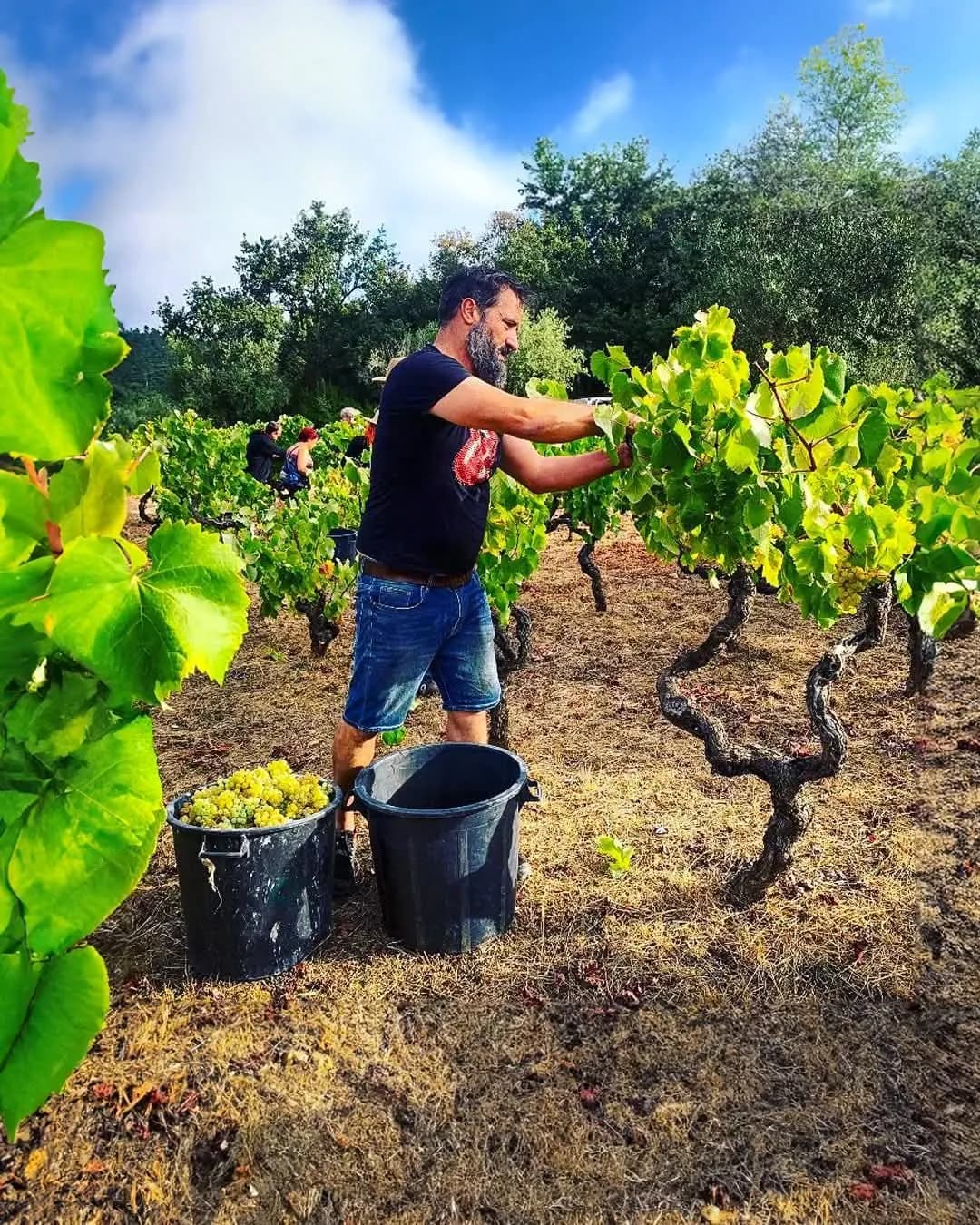
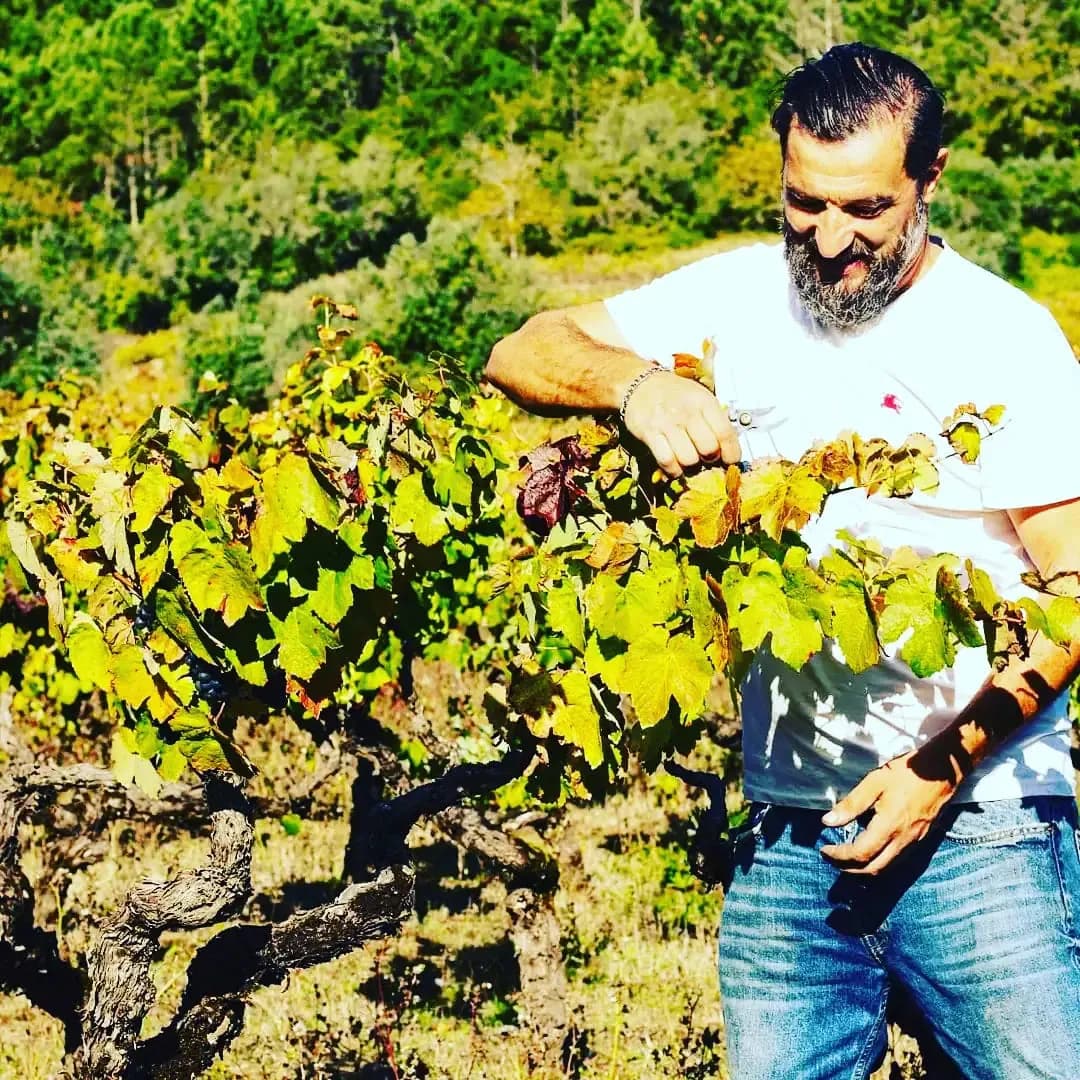
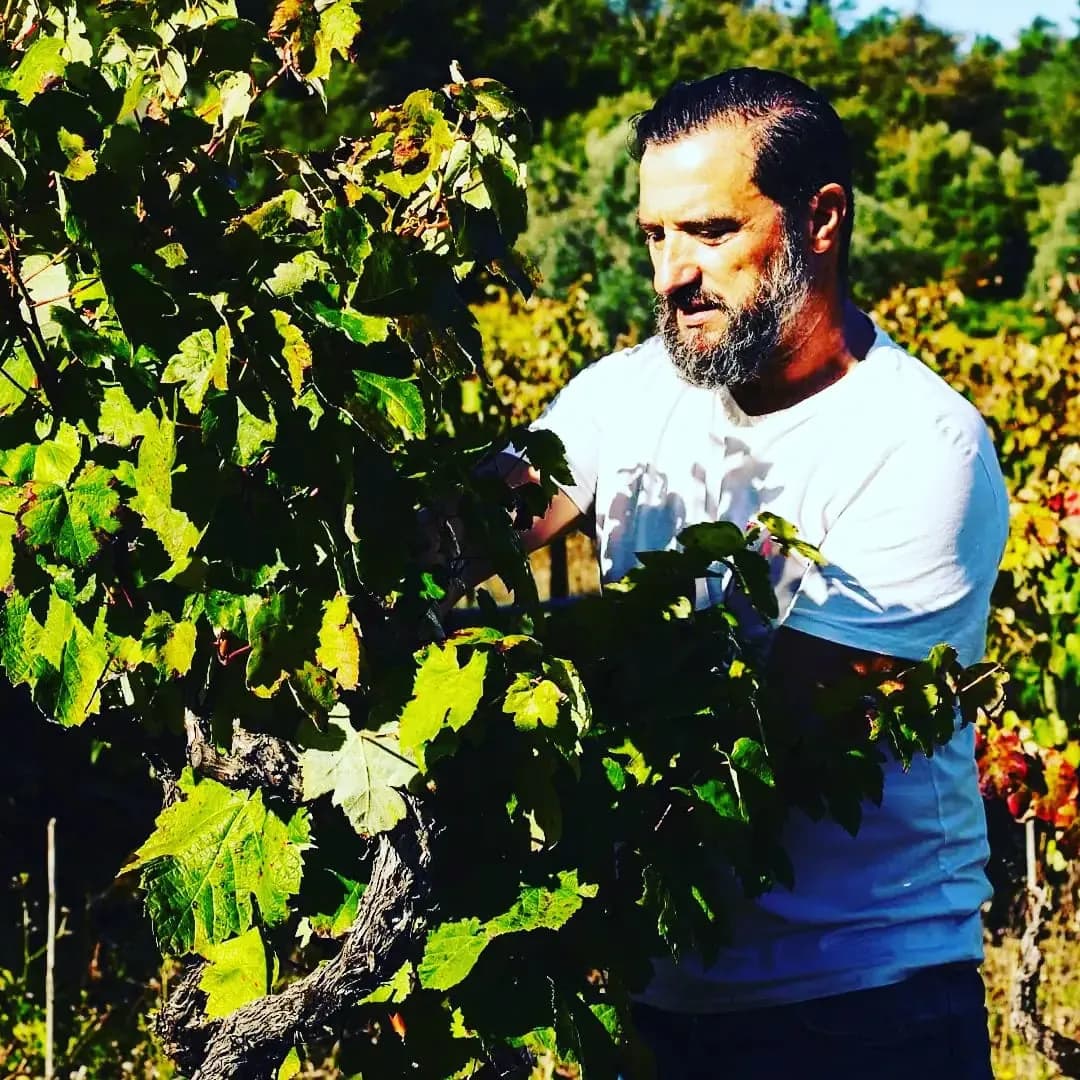
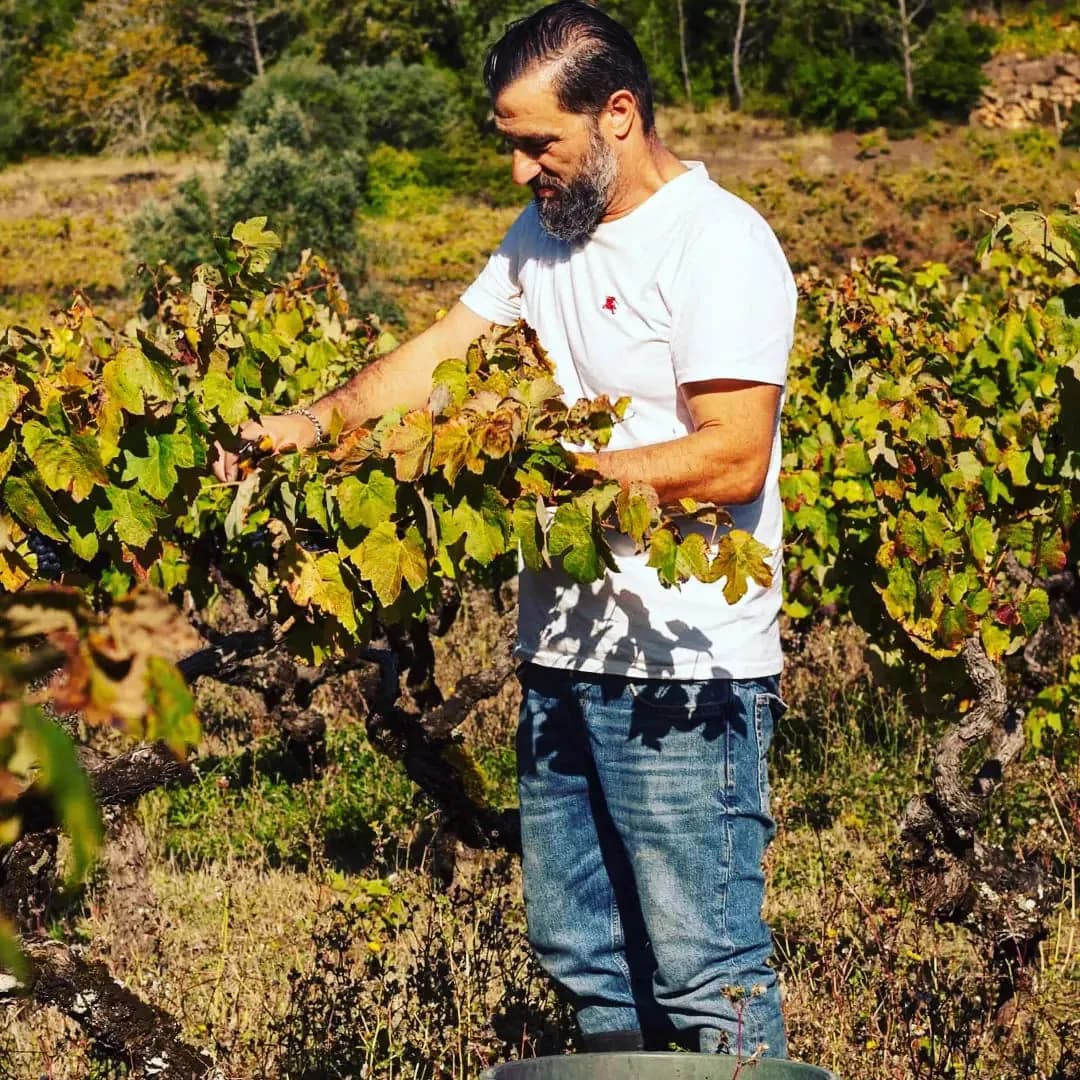
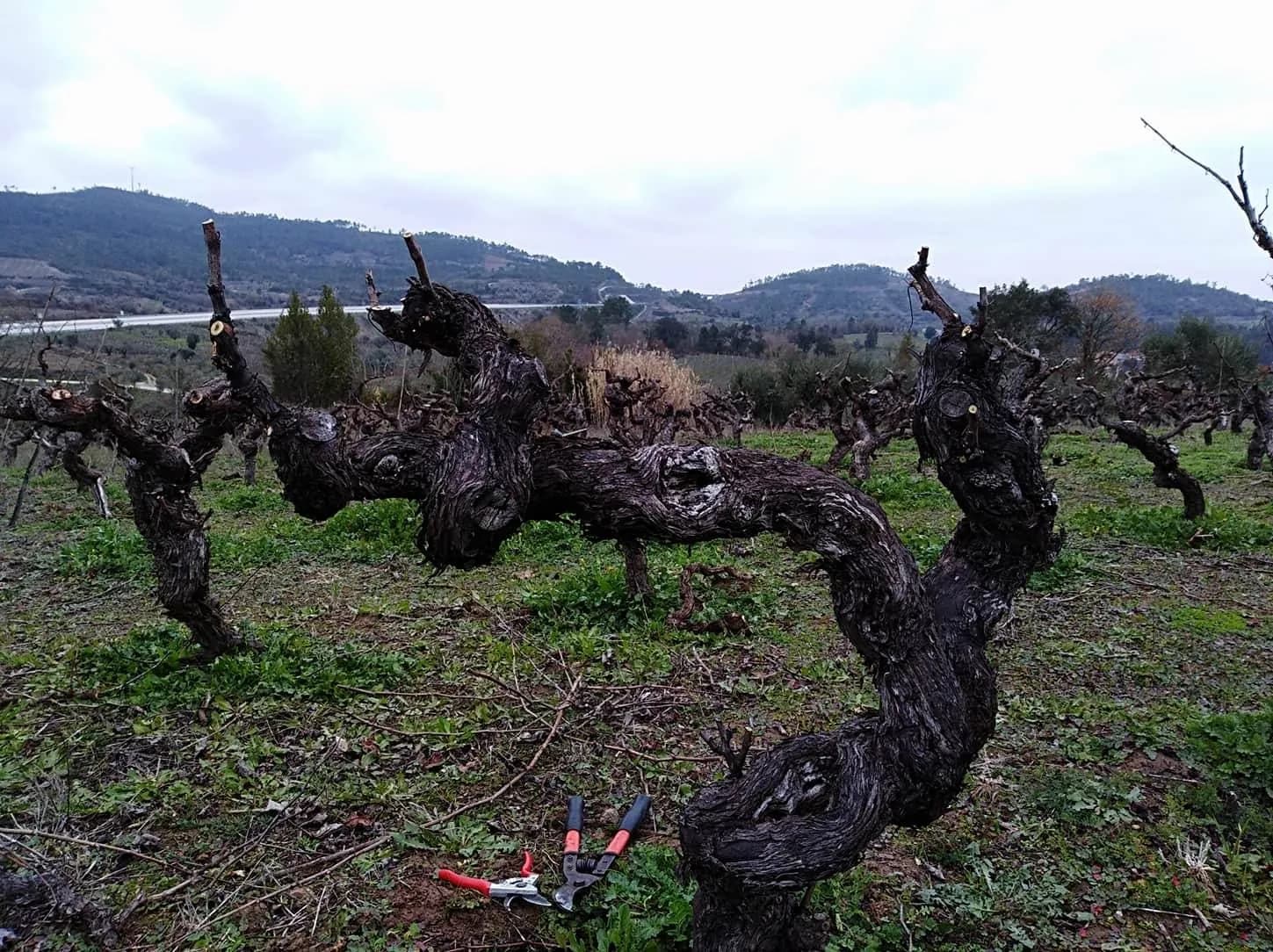
Everything by hand. The vines are too old and planted too irregularly to accept machines. No herbicides are used. Gaps are filled with wild vines, later grafted with scions taken from the plots themselves, so the vineyard rebuilds itself from its own original genetic material.
05
In the cellar
Spontaneous fermentations in open vats, with the vineyards' own yeasts. Ageing in cement and in top-quality used barrels: Saint-Émilion, in Bordeaux, for the reds, and Burgundy for the whites. Sulphur in measured doses.
06
The region
Terras de Sicó is a sub-region of the Beira Atlântico geographical indication, spread across parts of six municipalities south of Coimbra. It never saw enough commercial expansion to justify pulling up and replanting. It owes its old vines to that bad luck.
The vineyard, through the year